Your numbers look fine at home, then you sit down at the doctor's office and the reading is suddenly high. If that sounds familiar, you are not imagining it.
This is so common it has a name: white coat hypertension, or the white coat effect.
The one takeaway Blood pressure can read higher at the doctor's office than in everyday life. Home readings, taken the right way, help you and your doctor see your true pattern.
Why readings jump at the office
Being in a medical setting can make you a little nervous, even if you do not feel it. That small stress response releases hormones that raise your heart rate and blood pressure for a short time.
Other things add up too. You may have rushed to get there, climbed stairs, had coffee, needed the bathroom, or been talking while the cuff was on. Each of these can push a reading higher.
The opposite can happen too
Here is a little known fact. Some people have the reverse pattern, called masked hypertension. Their readings look normal at the office but are high at home or during the day. Without home readings, it can go unnoticed. This is one more reason home monitoring is so useful.
Research also suggests white coat readings are not always harmless, so it is worth keeping an eye on them over time rather than brushing them off.
How home readings help

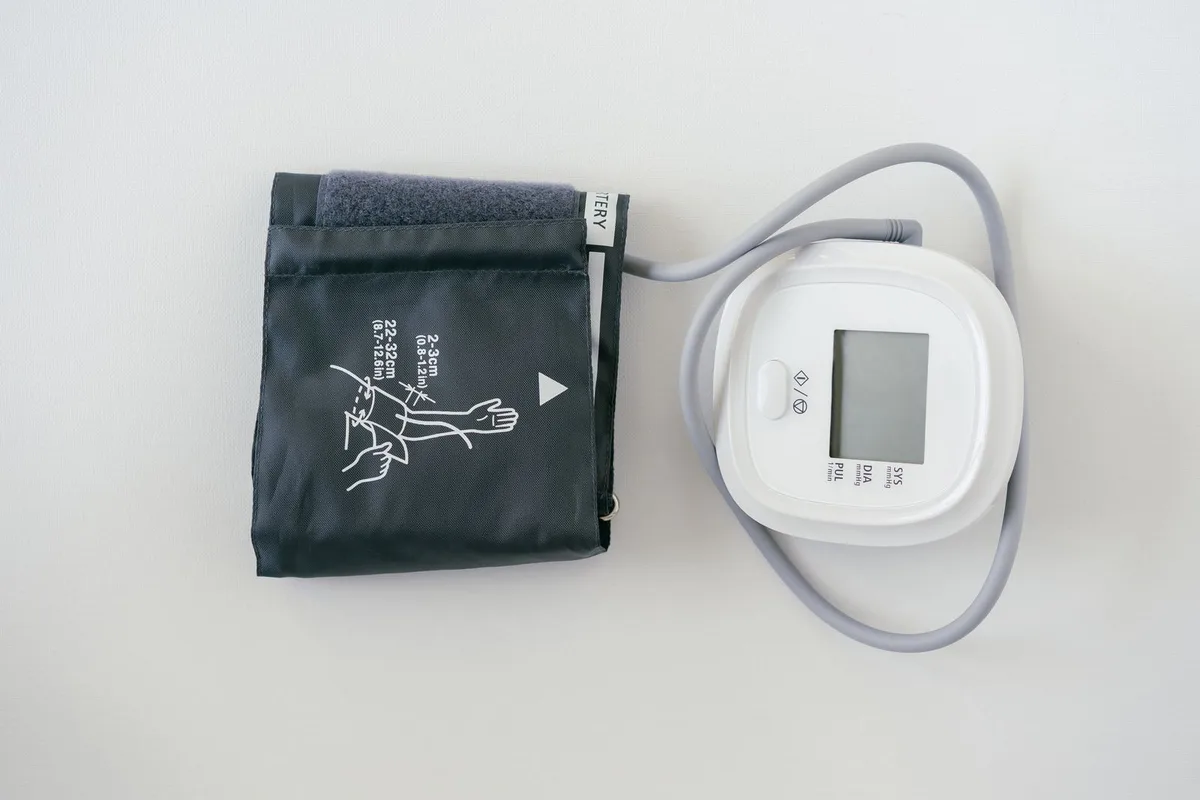
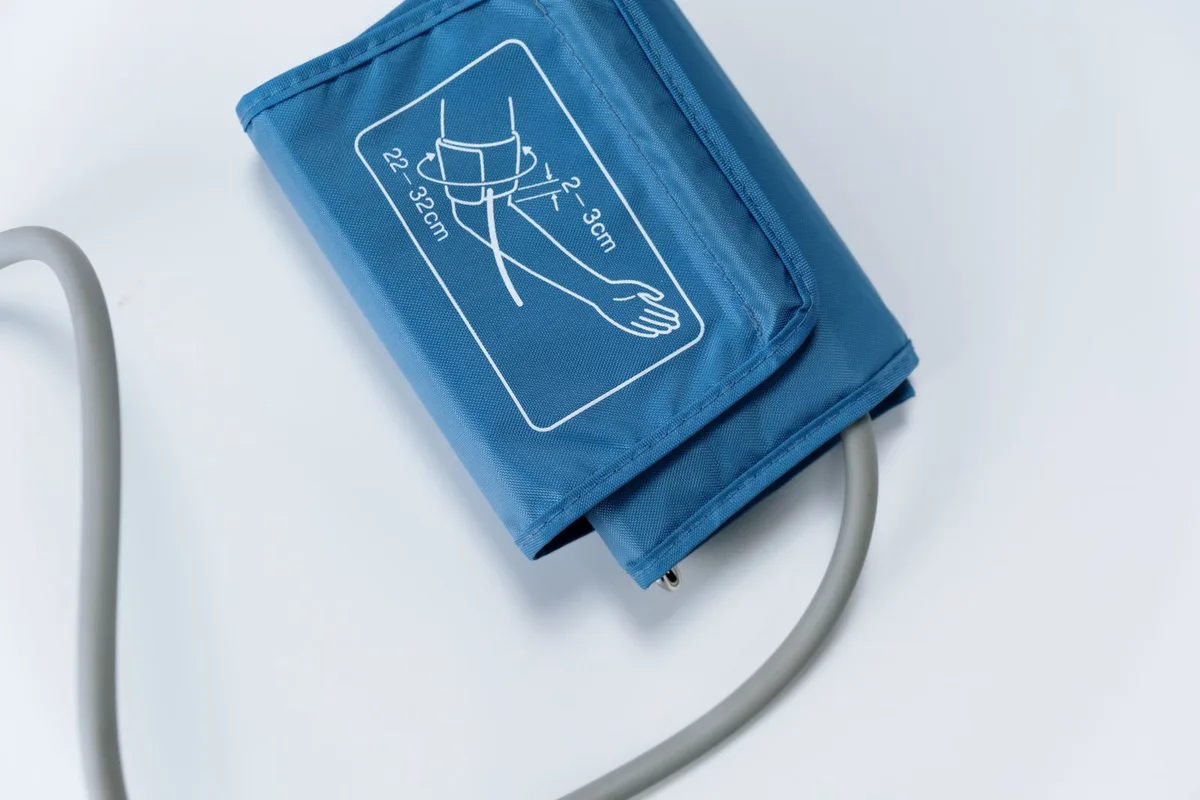
Readings taken at home over several days show what your blood pressure is like in daily life. Measure at the same times each day, sit quietly for 5 minutes first, keep your feet flat and your arm supported at heart level, and do not talk. Sometimes doctors also suggest wearing a monitor for 24 hours to get the fullest picture.
At your appointment, arrive a few minutes early, use the bathroom and sit quietly before your reading. It is fine to ask for a second reading at the end of the visit.
What to bring to your doctor
- Your home blood pressure log, with dates and times
- Your home monitor, so the office can check it against theirs
- A list of all your medicines, including over the counter ones
- Any questions about your readings
When to talk to your doctor
Share your home readings at every visit, and let your doctor decide what they mean for your care. Never stop or change a blood pressure medicine based on home numbers alone. Call emergency services for a very high reading with chest pain, a severe headache, weakness or trouble speaking.
A nervous reading at the office is common. Good home records help turn a confusing number into a clear picture.
Our articles share general information, not medical advice. Talk to your doctor before changing your diet, exercise or supplements. Lipozem Insider is a reader magazine, not the official Lipozem store.