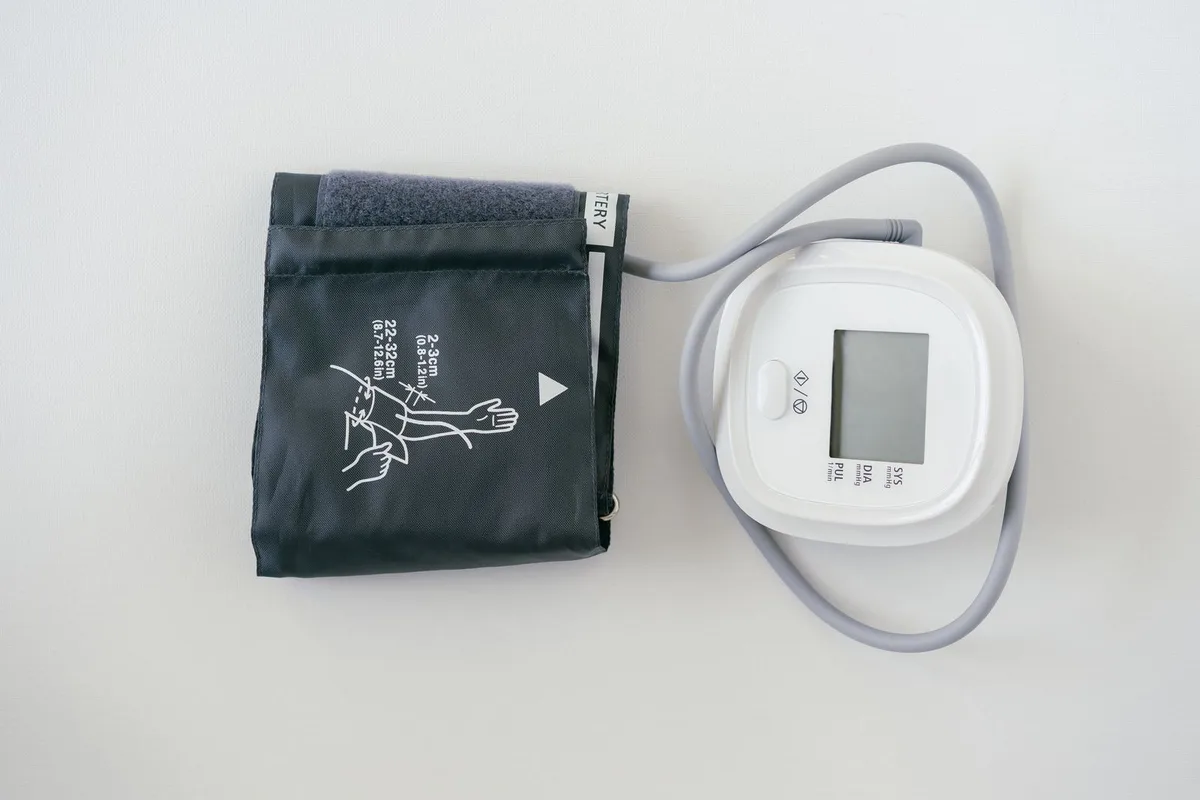
If you check your blood pressure at home, you may have noticed that morning numbers are often higher than evening ones. That can be worrying, but some rise in the morning is a normal part of how your body works.
Understanding this daily rhythm can help you take more useful readings and make sense of your numbers.
The one takeaway Blood pressure naturally rises in the hours around waking. Taking home readings at the same times each day, in a calm way, gives you and your doctor a much clearer picture.
Why blood pressure rises in the morning
Your body runs on an internal clock. In the early morning, before and after you wake, it releases hormones such as cortisol and adrenaline that help you get up and moving. These hormones speed up your heart and tighten blood vessels, so blood pressure goes up.
Overnight, blood pressure usually dips during sleep. Here is a little known fact: heart attacks and strokes are more common in the morning hours, and this natural surge is one reason researchers think that may be. For most people the rise is modest, but in some it is steep.
Why the timing of readings matters
Because blood pressure changes through the day, a single reading taken at a random time can be misleading. Many doctors suggest checking twice a day, morning and evening, for about a week before a visit.
For morning readings:
- Measure within an hour of waking, after using the bathroom.
- Do it before coffee, breakfast, exercise or a cigarette.
- Take your reading before your morning medicines unless your doctor says otherwise.
- Sit quietly for 5 minutes, feet flat, arm resting at heart level.
- Take two readings a minute apart and write both down.
Calm morning habits

A rushed, stressful start can push numbers higher. Try getting up a few minutes earlier so you are not racing the clock. Sit up slowly on the edge of the bed before standing. Open the curtains, sip some water and give yourself a quiet moment before checking the news or your phone.
Keep your monitor and a notebook next to your favorite chair. When it is easy to reach, a steady routine is much easier to keep.
When to talk to your doctor
Share your morning and evening readings with your doctor, especially if mornings are often much higher. Some people ask whether the time they take their medicine matters. That is a question for your doctor, so never change the timing or dose on your own. Call emergency services for a very high reading with chest pain, severe headache, weakness, vision changes or trouble speaking.
Your morning numbers are useful information, not a reason to panic. Measured calmly, they help you and your doctor plan well.
Our articles share general information, not medical advice. Talk to your doctor before changing your diet, exercise or supplements. Lipozem Insider is a reader magazine, not the official Lipozem store.