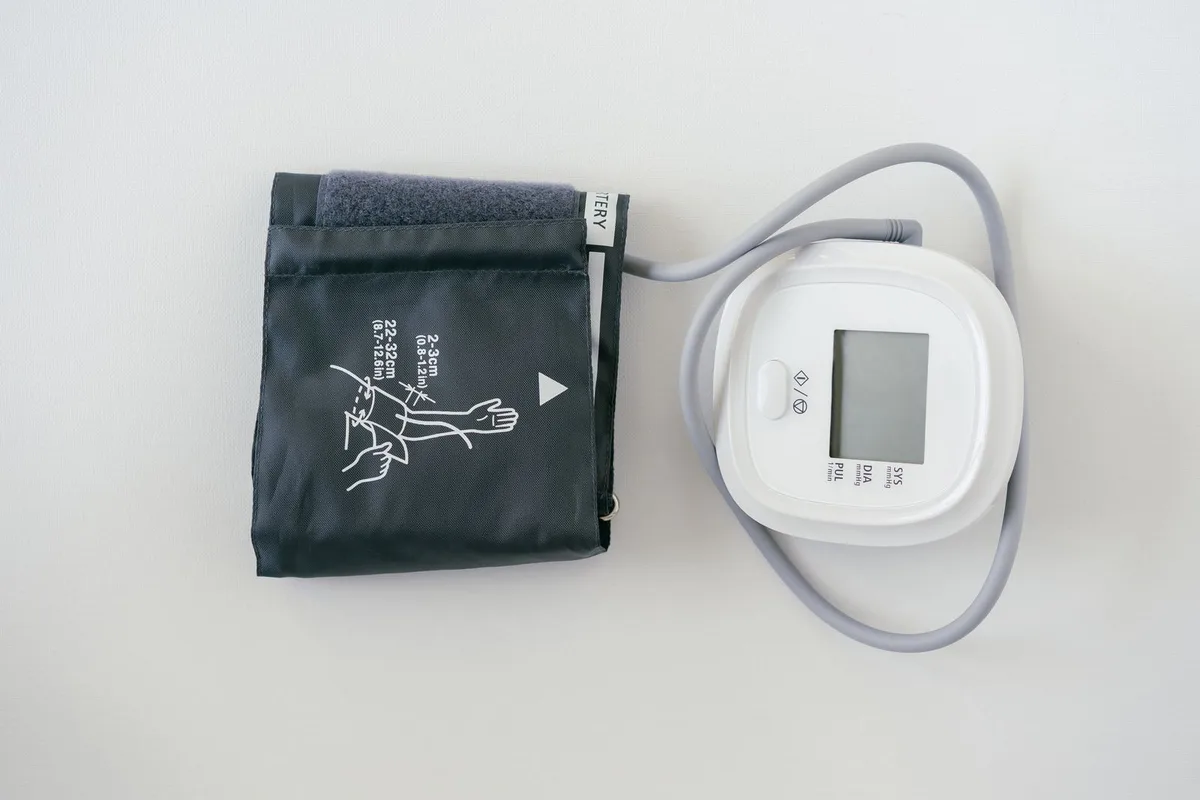
Many people who are watching their blood pressure put the salt shaker away and feel they have handled it. It is a good start, but it misses where most of our sodium actually comes from.
Most of the sodium Americans eat comes from packaged, prepared and restaurant foods. The salt you add at the table is a fairly small share.
The one takeaway Most sodium is already in your food before it reaches your plate. Learning where it hides and reading labels may help you cut back without giving up flavor.
Where salt hides
Some of the biggest sources are foods that do not taste very salty:
- Bread and rolls. One slice is not that high, but because we eat bread so often, it adds up.
- Deli meats, ham, bacon and hot dogs
- Canned and boxed soups and broths
- Pizza and sandwiches, which combine bread, cheese and cured meats
- Sauces, dressings, soy sauce and seasoning packets
- Cheese and savory snacks
Here is a little known one. Some raw chicken and pork is injected with a salt solution to keep it juicy. Look for words like "enhanced" or "contains a solution of" on the package.
How to read the label
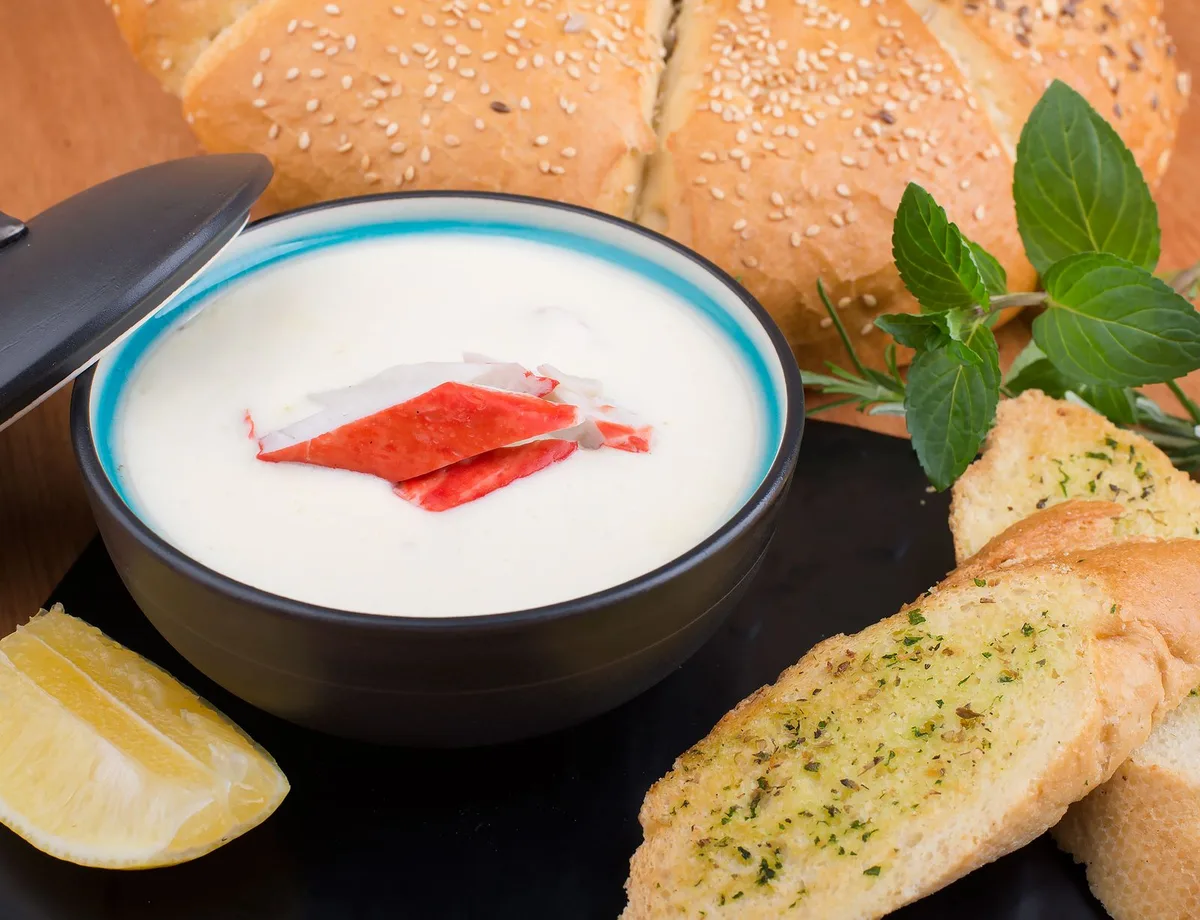
Check the sodium line on the Nutrition Facts panel and look at the percent Daily Value. As a simple rule, 5 percent or less is low and 20 percent or more is high. Always compare it with the serving size, since many cans and packages hold more than one serving.
Be careful with front of package claims. "Reduced sodium" only means less than the regular version, which can still be quite salty. "Low sodium" has a stricter definition.
Easy swaps
- Choose low sodium or no salt added versions of canned beans, vegetables and broth.
- Rinse canned beans and vegetables to wash off some of the salt.
- Make soup at home and freeze portions.
- Use herbs, garlic, lemon, vinegar and pepper for flavor.
- Ask for sauces and dressings on the side when eating out.
Your taste buds adjust. After a few weeks of eating less salt, many people find their old favorites taste too salty.
When to talk to your doctor
If you have high blood pressure, heart failure or kidney disease, ask your doctor how much sodium is right for you. Check with your doctor or pharmacist before using salt substitutes, since many contain potassium, which may not be safe with some medicines or kidney problems.
You do not have to give up the foods you love. Small swaps, repeated every day, are what make the difference.
Our articles share general information, not medical advice. Talk to your doctor before changing your diet, exercise or supplements. Lipozem Insider is a reader magazine, not the official Lipozem store.