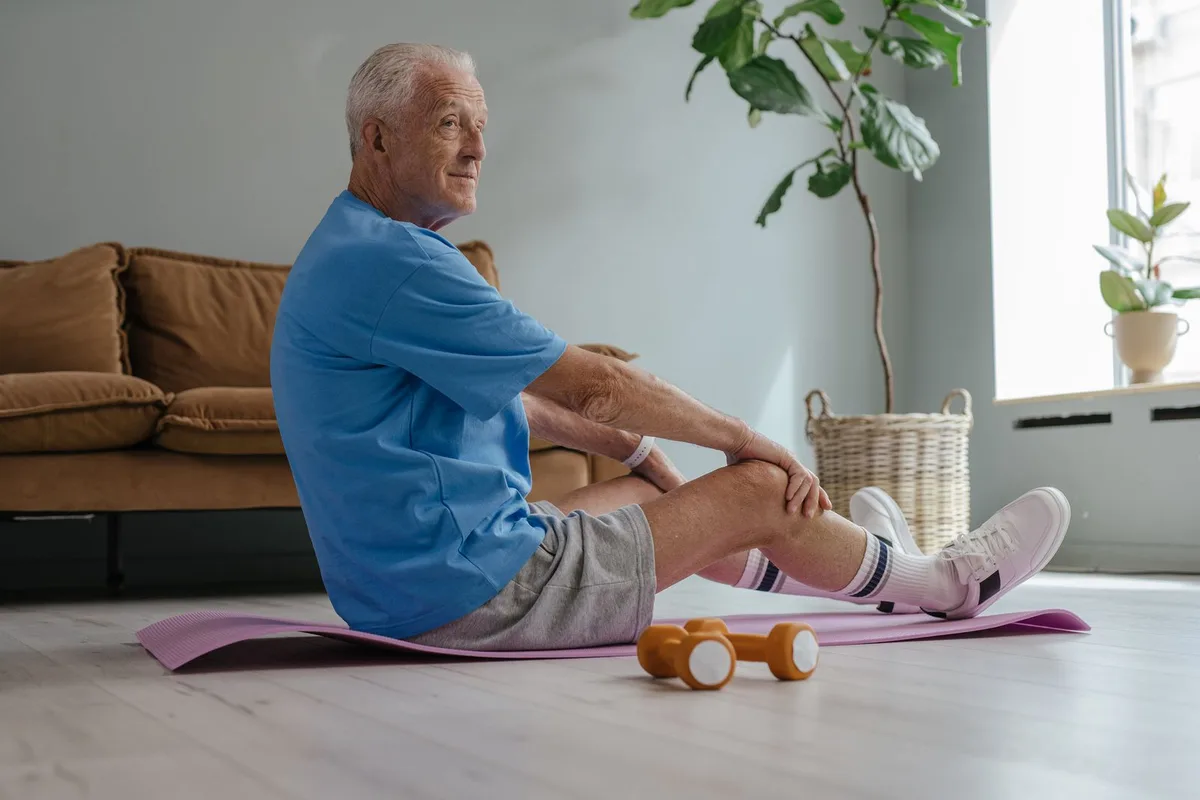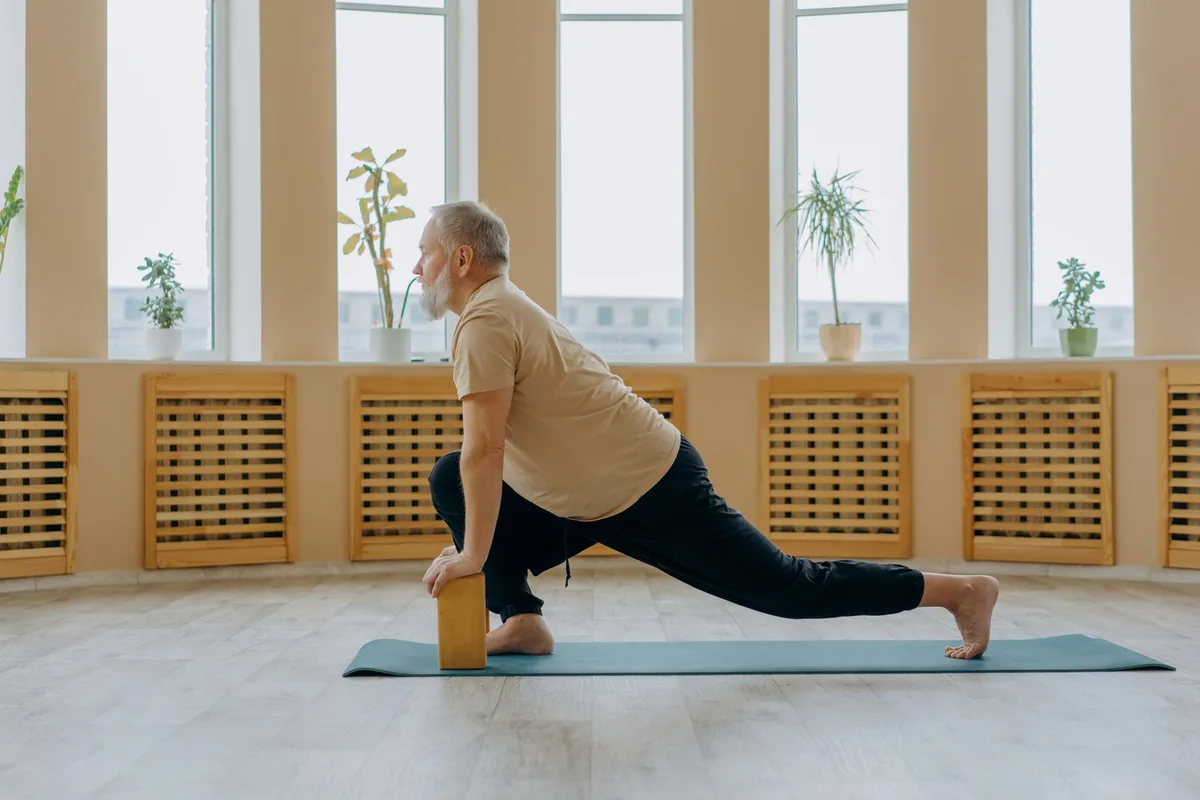
At 25, you could play hard on Saturday and feel normal by Monday. Now a solid leg day can leave you walking down the stairs sideways until Thursday.
That is normal. Recovery slows with age, but how you handle the hours between workouts makes a big difference.
Insider Tip After 40, your body needs a bit more time and better support to repair muscle. Good sleep, enough protein, gentle movement on rest days and about 48 hours between hard sessions for the same muscles help you recover and keep progressing.
Why recovery slows
Muscle repair is a little slower with age, and hormone levels that support repair drift down. Sleep often gets lighter, which matters because a lot of repair happens during deep sleep. Old injuries and stiffer tendons add their own complaints.
Muscle soreness that peaks a day or two after a workout is common, especially after new or harder exercises. It usually fades within a few days.
The four pillars of recovery
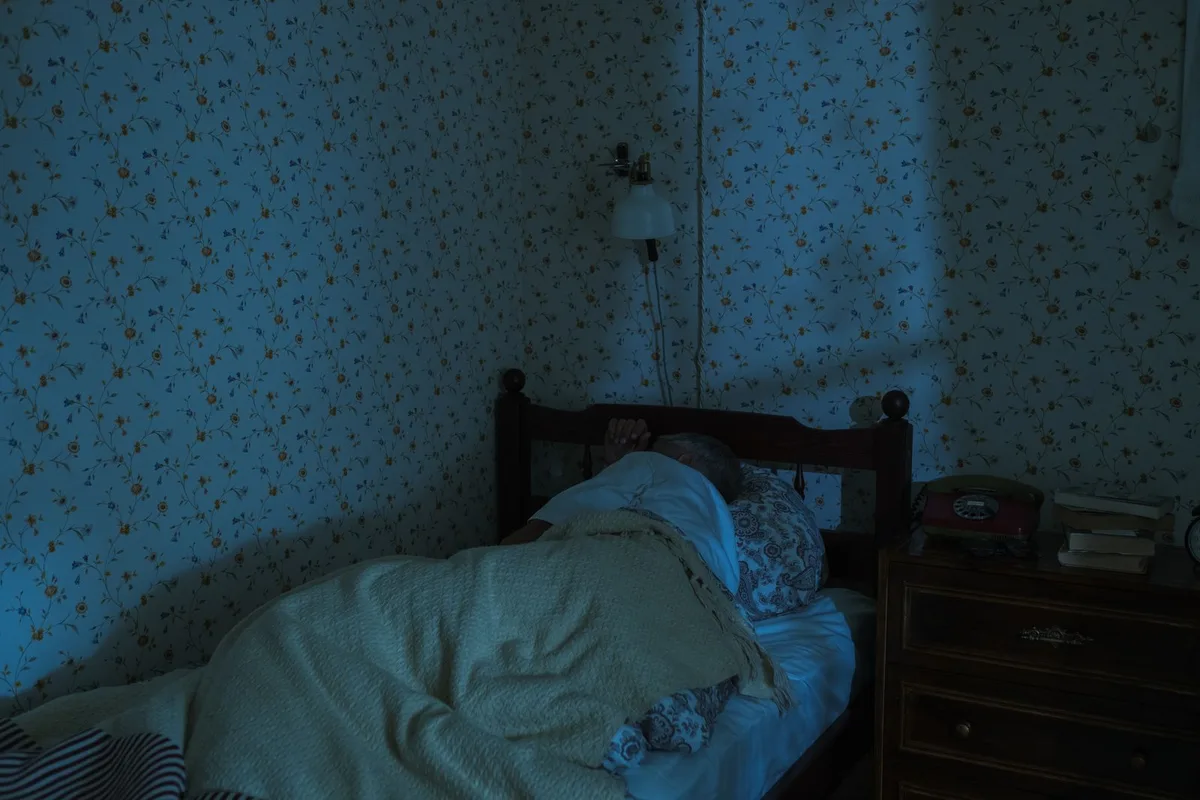
Sleep comes first. Adults need at least seven hours, and many men over 40 get less. A regular bedtime does more for recovery than any gadget.
Protein provides the building blocks. A meal with 25 to 30 grams of protein within a few hours after training is a sensible habit.
Gentle movement helps more than lying on the couch. A walk, an easy bike ride or some light stretching on rest days keeps blood flowing and stiffness down.
Spacing matters too. Give each muscle group roughly 48 hours before you work it hard again. Full-body sessions on Monday, Wednesday and Friday fit this naturally.
Signs you are not recovering
- Soreness that lasts longer than four or five days
- Your usual weights feel heavier for more than a week
- Poor sleep, irritability or a higher morning heart rate
- Nagging joint pain that keeps getting worse
When you notice these, take a lighter week. Cut weights or sets by about a third, then build back up.
Plan an easier week every four to six weeks, even when you feel fine. It is far easier to prevent burnout than to climb out of it.
When to talk to your doctor
Get checked if pain is sharp, sits in a joint rather than the muscle, comes with swelling or does not improve with rest. Seek urgent care for severe muscle pain with weakness or dark, tea-colored urine after hard exercise, which can signal a serious muscle breakdown condition.
Train hard, recover well, and you will still be training at 70.
Our articles share general information, not medical advice. Talk to your doctor before changing your diet, exercise or supplements. Lipozem Insider is a reader magazine, not the official Lipozem store.