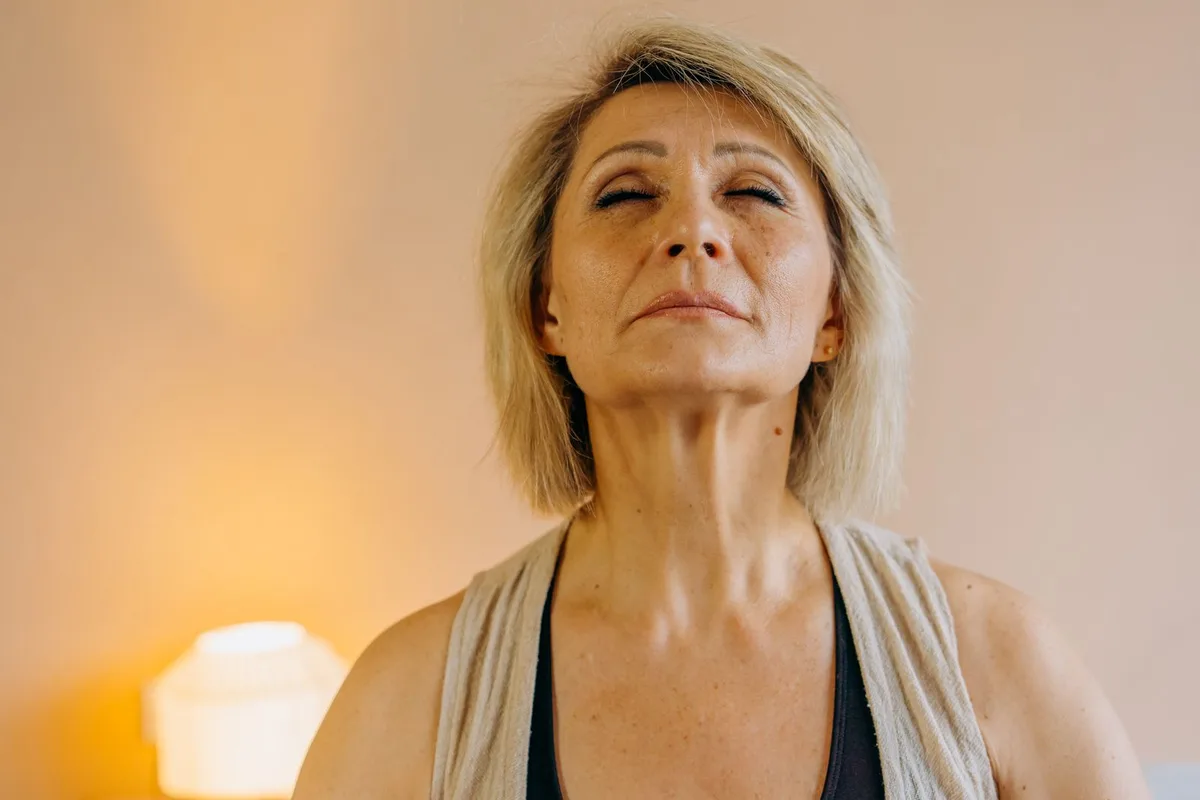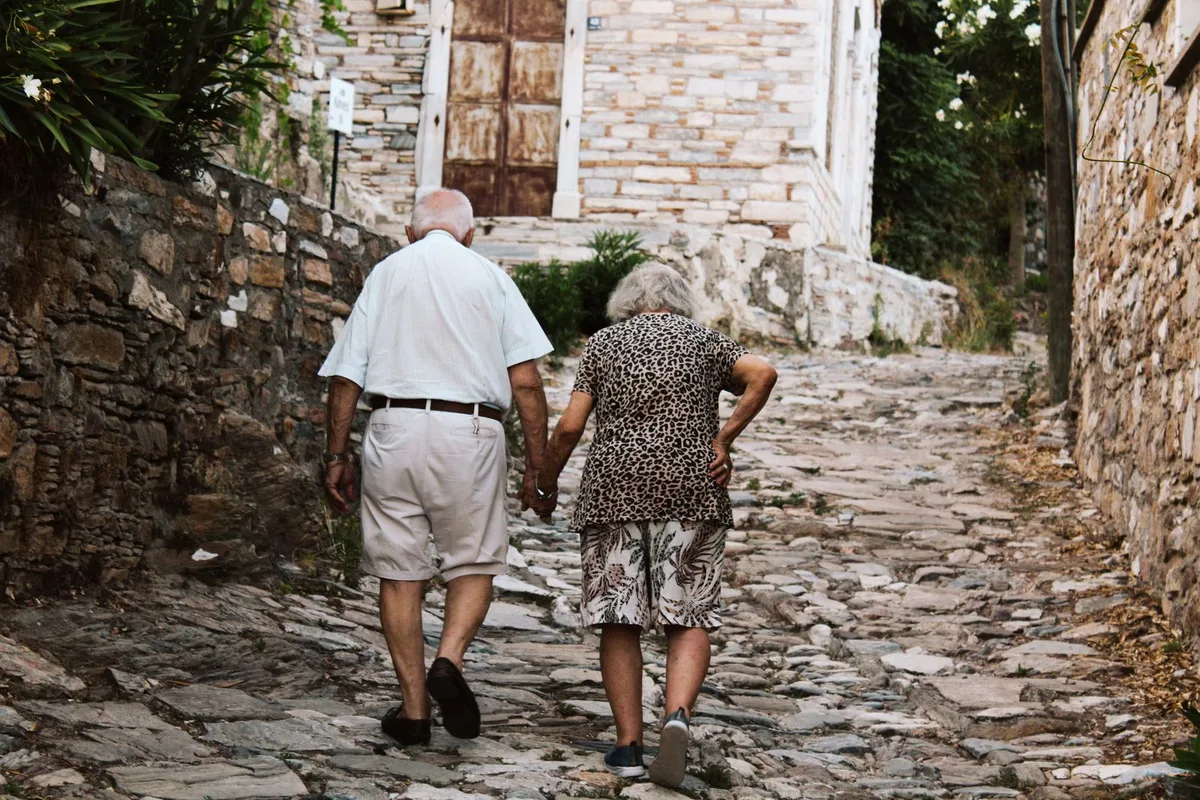
You reach the top of the stairs, and for a moment you need to stand still and catch your breath. Maybe it never used to happen. Now it does, and you wonder what it means.
Often it is simply your body telling you about fitness. Stairs are one of the hardest things most of us do all day: with every step you lift your whole body weight straight up against gravity.
The one takeaway Mild breathlessness on stairs that settles within a minute or two is common and often improves with stronger legs and regular walking. Breathlessness that is new, getting worse or comes with chest discomfort needs a doctor.
Why stairs feel harder after 50
- Your legs may be doing more of the talking than your lungs. We lose muscle with age if we do not use it. Weaker leg muscles tire sooner and produce more waste products, which signals your body to breathe faster.
- Less everyday movement. Fewer active hours mean your heart and muscles get less practice delivering and using oxygen.
- Extra weight. A few extra pounds become real work on every step.
Other causes include anemia, heart conditions, lung conditions and some medicines. That is why a new change deserves a checkup.
Pace yourself on the way up
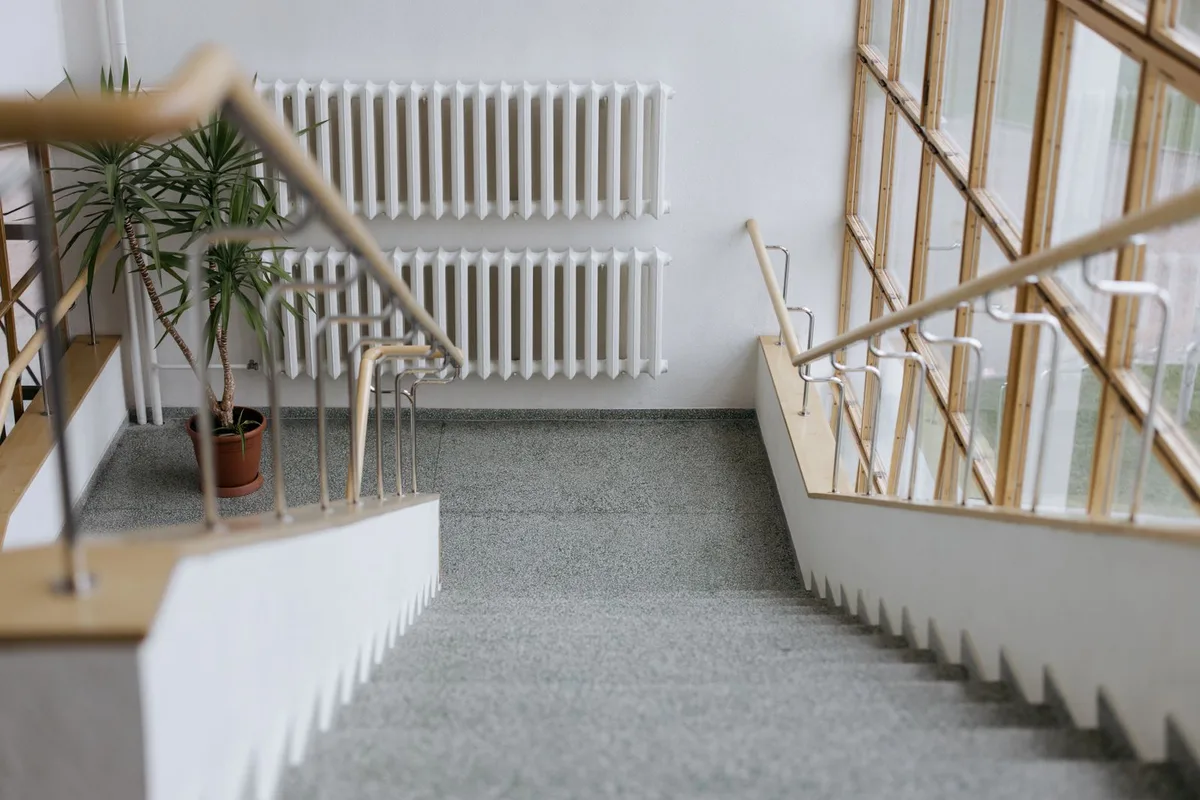
Climb at a steady speed you could keep up for the whole flight, rather than rushing and stopping. Hold the handrail. Pause on the landing if you need to.
Try breathing out gently through pursed lips as you step up, and breathing in as you rest your weight. It can help your breathing feel more controlled.
Build your stair stamina
Walk most days, at a pace where you can talk but not sing. Add simple leg strength work, such as standing up from a chair without using your hands a few times in a row. Over weeks, many people find stairs feel easier.
When to talk to your doctor
Talk to your doctor if breathlessness is new, getting worse, or limits what you can do. Mention swollen ankles, a lasting cough, waking up short of breath, or needing extra pillows to breathe at night. Call emergency services right away for chest pain or pressure, breathlessness at rest that does not ease, fainting, or lips that look bluish.
Most of the time, stairs are a useful daily test. Treat them as a gentle workout and notice how your body answers.
Our articles share general information, not medical advice. Talk to your doctor before changing your diet, exercise or supplements. Lipozem Insider is a reader magazine, not the official Lipozem store.